
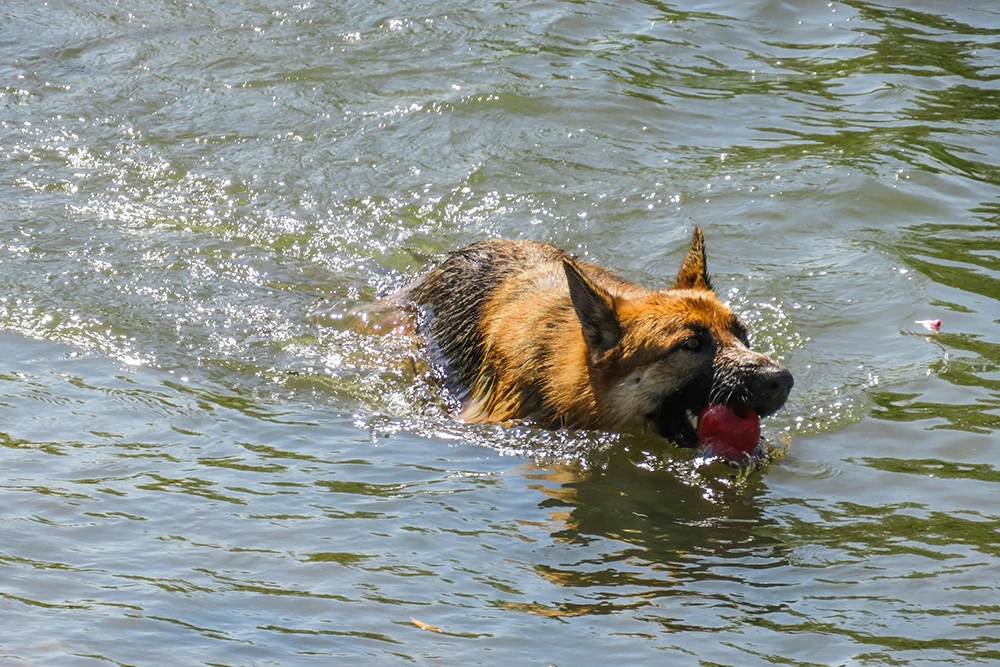
Swimming, boating, and beach days are a big part of summer across Massachusetts and Rhode Island. While many dogs love the water, water-related emergencies can happen quickly and sometimes symptoms do not appear right away.
One of the most serious risks is secondary drowning, sometimes called delayed drowning, which can occur after a dog inhales water while swimming.
Even if your dog initially seems fine, inhaled water can irritate the lungs and make breathing progressively more difficult over time.
If you believe your pet is experiencing an emergency call us or come into our ER hospital right away.
What Is Secondary Drowning in Dogs?
Secondary drowning happens when water enters the lungs during swimming or a water incident. The irritation and inflammation caused by the water can interfere with oxygen exchange and make it harder for your dog to breathe normally.
Symptoms may appear immediately or within several hours later.
While secondary drowning is relatively uncommon, it should always be taken seriously because it can become life-threatening without treatment.
Signs Your Dog May Have Inhaled Water
Watch closely for symptoms after swimming in pools, lakes, oceans, or while boating.
Symptoms of secondary drowning in dogs may include:
- Persistent coughing
- Rapid or labored breathing
- Wheezing
- Excessive fatigue
- Low energy after swimming
- Difficulty settling comfortably
- Pale or blue-tinged gums
- Vomiting
- Collapse
Some dogs may also appear anxious or restless because they are struggling to breathe comfortably.
If your dog is experiencing any of these symptoms, call us or come into our ER hospital right away.
When Should You Go to the Emergency Vet?
If your dog develops coughing, breathing changes, lethargy, or unusual behavior after swimming, they should be evaluated immediately.
Breathing emergencies can worsen quickly, especially if fluid or inflammation in the lungs progresses over time.
Emergency veterinarians may recommend:
- Oxygen support
- Chest radiographs
- Monitoring oxygen levels
- IV fluids
- Hospitalization in more serious cases
Early treatment can make a significant difference in recovery.
How to Help Prevent Water Emergencies in Dogs
Not all dogs are naturally strong swimmers, and even experienced dogs can become exhausted in rough water or strong currents.
Water safety tips for dogs:
- Supervise pets around water at all times
- Use life jackets while boating
- Avoid prolonged swimming sessions
- Take breaks during water play
- Keep pets away from rough surf or strong currents
- Rinse and dry ears after swimming
Flat-faced breeds, older dogs, and pets with underlying medical conditions may tire more easily and require closer monitoring.
Call our ER or come into our ER hospital if your pet is acting strangely. We are here to help.
Frequently Asked Questions About Secondary Drowning in Dogs
Can dogs develop symptoms hours after swimming?
Yes. Symptoms of secondary drowning can appear several hours after water exposure.
Is coughing after swimming normal for dogs?
Occasional mild coughing may happen briefly, but persistent coughing or breathing changes should always be evaluated.
What does secondary drowning look like in dogs?
Common symptoms include coughing, rapid breathing, lethargy, wheezing, and difficulty breathing after swimming.
Can dogs recover from secondary drowning?
Many dogs recover well with prompt veterinary care and monitoring.
Should I monitor my dog after swimming?
Yes. Watch for coughing, unusual fatigue, breathing changes, or behavior changes for several hours after swimming.